AI and the Smart Home: How Machine Learning is Optimising UK Energy Consumption
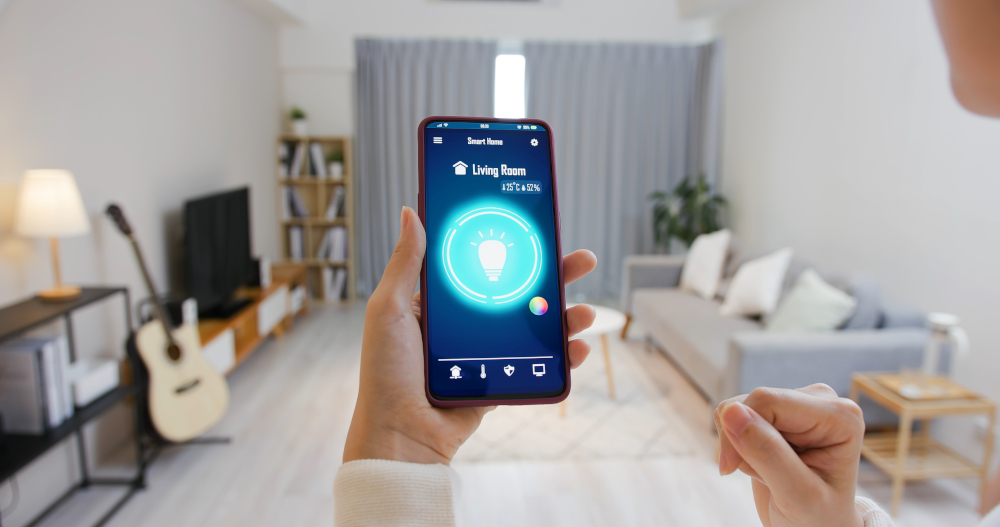
The British landscape is currently undergoing a quiet but profound digital transformation. As the UK pushes toward its ambitious Net Zero 2050 targets, the traditional red-brick semi is being reimagined as a data-driven ecosystem.
In 2026, the convergence of high energy prices and advanced technology has turned “smart homes” from a luxury trend into a national necessity. At the heart of this shift lies Machine Learning (ML)—the engine room of modern energy efficiency.
The Shift from Static to Smart
For decades, UK energy management was reactive: you turned on the radiator when you felt cold and paid the bill at the end of the quarter. Today, the nationwide smart meter rollout—which has already seen over 22 million installations—is providing the raw data necessary for AI to take control.
Machine Learning algorithms now analyse these vast datasets to predict household patterns with startling accuracy. By examining historical usage, external weather forecasts from the Met Office, and even the thermal properties of specific UK building types, ML-driven systems can pre-emptively adjust heating and appliance cycles.
Bridging the Academic and Technical Gap
The complexity of these systems is a testament to the rapid advancement of computer science and environmental engineering in the UK. As the technology evolves, so does the demand for experts who can navigate the intersection of “Big Data” and “Green Tech.”
For many students currently pursuing degrees in these fields, the pressure to master neural networks alongside thermodynamic principles can be overwhelming. It is quite common for those struggling with complex modules to seek professional assistance; many find it beneficial to do my coursework with the help of academic experts to ensure their research into sustainable energy remains at a distinction level. This support allows the next generation of UK engineers to focus on practical innovation rather than getting bogged down by administrative hurdles.
Furthermore, with the rising cost of living in cities like London and Manchester, the financial pressure on students is significant. Some choose to pay for assignments as a strategic way to manage their time, allowing them to balance part-time work with the high demands of a modern STEM degree. This academic safety net ensures that the UK’s talent pipeline for the “Green Industrial Revolution” remains robust.
3 Ways Machine Learning is Cutting UK Bills
The integration of ML into the domestic sphere isn’t just theoretical; it is delivering tangible savings for households across the country.
1. Dynamic Demand Response
UK energy providers like Octopus Energy and OVO are increasingly using AI to implement Time-of-Use (ToU) tariffs. Machine Learning models predict when the National Grid will have a surplus of renewable energy (e.g., a windy night in the North Sea). Smart appliances then automatically schedule high-energy tasks—like running the dishwasher or charging an EV—during these low-cost, low-carbon windows.
Data Point: According to recent industry trials, AI-managed EV charging can reduce household electricity bills by as much as £340 per year compared to standard charging.
2. Predictive Heating Control
Standard thermostats work on a “on/off” logic. In contrast, ML-powered systems like Tado or Nest learn how long it takes for a specific draughty Victorian terrace to heat up. By factoring in the specific heat capacity of the home, the AI ensures the boiler runs for the minimum time necessary to reach the desired temperature by the time you walk through the door.
3. Early Fault Detection
AI doesn’t just manage energy; it protects infrastructure. Machine Learning can detect “anomalous consumption”—a sudden spike in energy use that might indicate a failing heat pump or a faulty fridge seal. By alerting homeowners early, AI prevents energy wastage and expensive emergency repairs.
The Net Zero Impact: A Data Perspective
The UK government’s AI Energy Council, established in 2025, highlights that AI-enabled solar forecasting alone has saved the National Energy System Operator (NESO) over £30 million in balancing costs. On a domestic level, the impact is equally staggering:
| Technology | Estimated Annual Saving (UK) | CO2 Reduction Potential |
| AI-Managed EV Charging | £300 – £450 | 25% |
| Smart Thermostats (ML) | £120 – £200 | 15% |
| Automated Lighting | £30 – £50 | 5% |
Key Takeaways
- Data is Fuel: Smart meters provide the essential data that allows Machine Learning to optimise home energy.
- Predictive, Not Reactive: AI anticipates your needs based on weather and lifestyle, rather than waiting for manual input.
- Financial & Environmental: Smart home tech is a primary tool for combating the UK’s high energy prices while meeting carbon targets.
- Academic Support: As the field becomes more complex, academic services are becoming vital for students entering the green-tech sector.
FAQ: AI and Energy in the UK
Q: Does having a smart home mean my data is being sold? A: In the UK, data privacy is strictly governed by the UK GDPR. Most smart home providers use encrypted “edge computing” where the data is processed locally on the device rather than in the cloud.
Q: Is AI only for new-build homes? A: No. The “Retrofit” market is the fastest-growing sector in the UK. Most smart tech, like radiator valves and smart plugs, can be installed in older properties without major renovations.
Q: How much can I really save? A: While results vary, the combination of a smart tariff and AI-optimised appliances can reduce an average UK dual-fuel bill by 15-25%.
About the Author
Dr. Aris Thorne is a Senior Research Consultant at MyAssignmentHelp, specialising in Sustainable Engineering and Applied Artificial Intelligence. With over a decade of experience in the UK higher education sector, Dr. Thorne helps students bridge the gap between complex theoretical frameworks and real-world environmental solutions. When not consulting, he is an advocate for the integration of AI in the UK’s “Future Homes Standard.”